Hanging Wall Cabinets With a French Cleat on Austin Walls
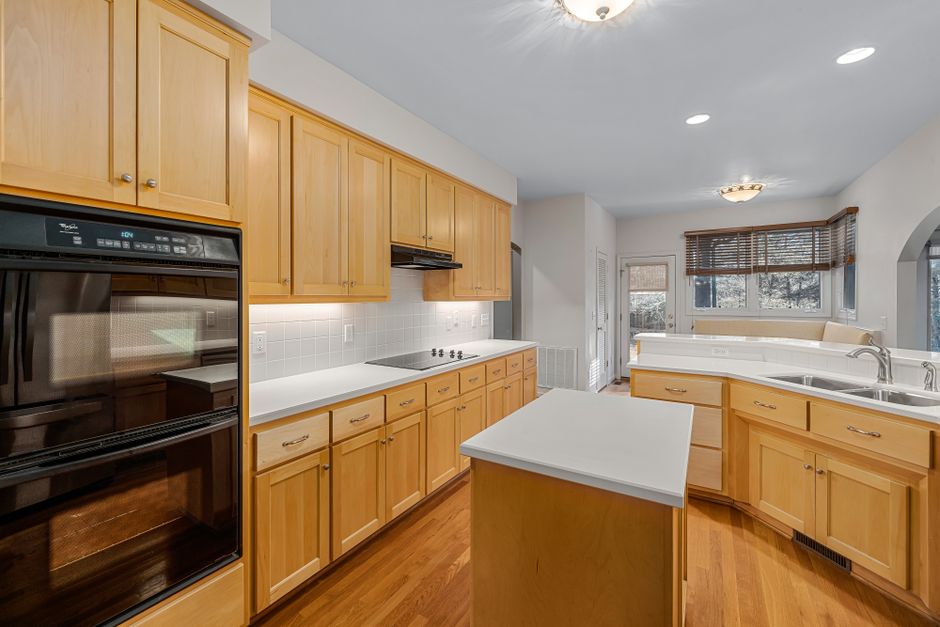
An upper cabinet is only as secure as the fastener that meets the stud. The running record that austin cabinet installation the hughes gallery holds shows most upper cabinet failures in Austin, TX tracing back to a missed stud or a rail screwed into plaster alone, not to the cabinet itself.
What a French cleat does
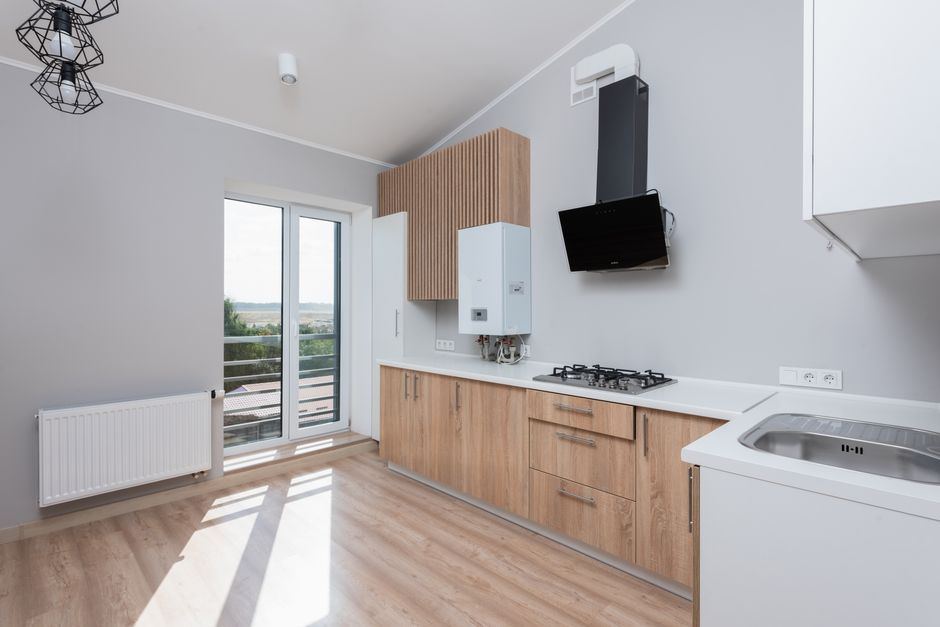
A French cleat is a pair of strips, each with a 45 degree bevel. One strip is screwed to the wall and the other to the back of the cabinet, and the cabinet hangs by dropping the beveled edges together. Because the bevels lock, the load spreads along the full length of the cleat across several studs rather than at two screw points. A frameless box loaded with dishes carries well on a cleat, since the plywood box back stays flat against the strip.
Hanging rail versus cleat
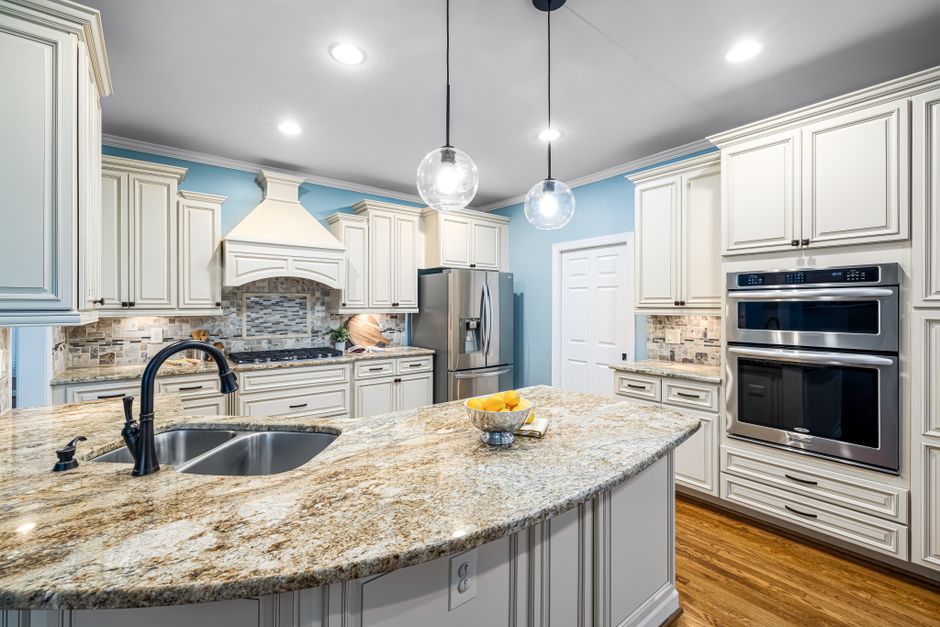
A hanging rail is a metal or wood strip inside the top of the cabinet, screwed through to the studs at each end. It is quick, and the cabinet can slide along it for fine position. A cleat gives a continuous bearing line and suits long runs, tall uppers and walls where studs are irregular. On a face frame cabinet with a solid hardwood top rail either one works, but the rail demands that the studs line up with the screw positions.
Finding studs behind plaster and drywall
Plaster over lath, common in older homes near Hyde Park and Clarksville, hides studs and fights stud finders. Drywall is easier, but stud spacing may be irregular after past remodels. A magnet finds the drywall screws, and a small probe hole behind where the cabinet will sit confirms the stud edge. The cleat is then screwed into every stud it crosses, never into the wall surface alone.
Limestone-backed and block walls
Around the Texas Hill Country and along the Balcones Fault, some older houses carry limestone or block walls under a thin plaster skin. A stud screw does not work there. Masonry sleeves or toggle anchors rated for the load are used, with a pilot hole drilled by masonry bit, and the cleat is leveled against a wall that rarely runs flat, using shims behind the strip.
Leveling and loading
The cleat is leveled with a long straightedge before the first screw is set, since an upper hung from a crooked cleat carries the crooked line all the way up the run. Cabinets are hung empty, adjusted for height, then screwed together at the face frame and fastened through the back. Doors and the soft close adjustment come only after the boxes sit true.