Door Alignment, Hardware Templates and the Last Hour of an Install
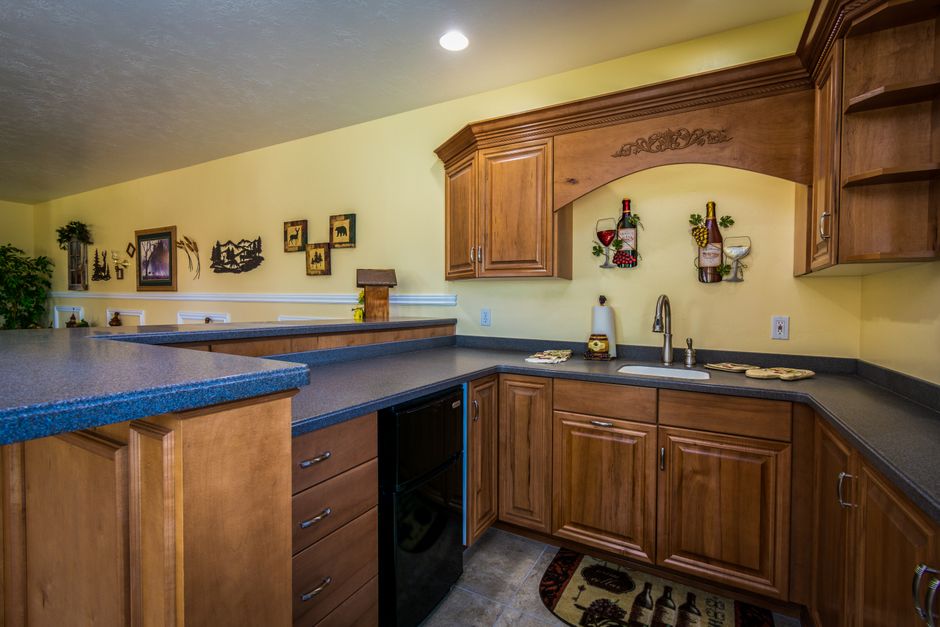
On a kitchen where the countertop is set before the doors are hung, every reveal is decided by what the stone did to the boxes, so the last hour of an install in Austin, TX (as set out at austin cabinet installation the hughes gallery) goes to adjustment rather than building. Doors and drawers are the last thing set because everything else moves them.
Why alignment waits for the end
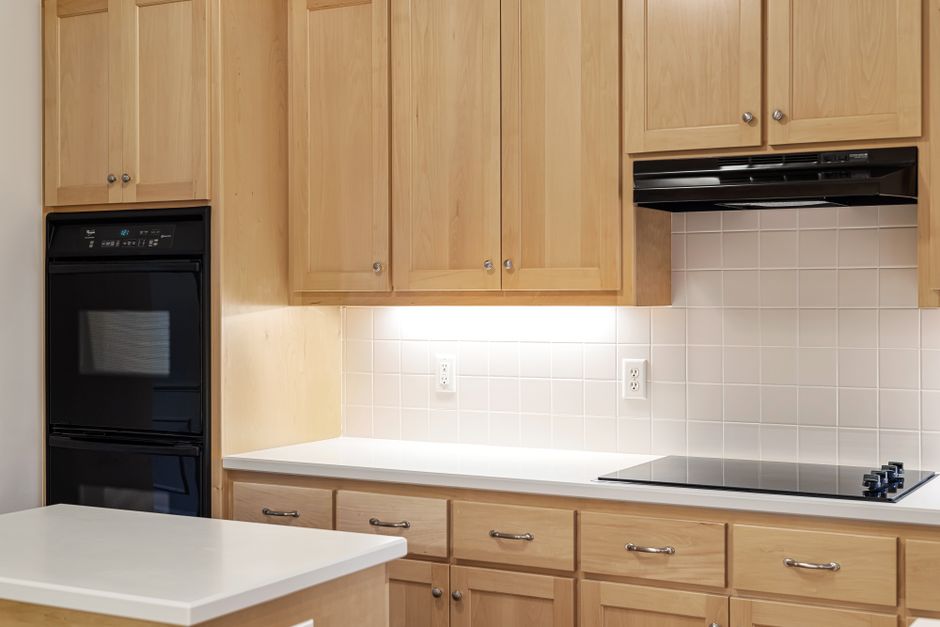
A cabinet box shifts a hair when a countertop is set on it, and a floor that settles in the first week pulls the line again. Aligning doors before the top goes down means aligning them twice. The final pass is done after the top, the sink and the appliances are in, with the boxes loaded to their true working weight.
Adjusting doors and drawers
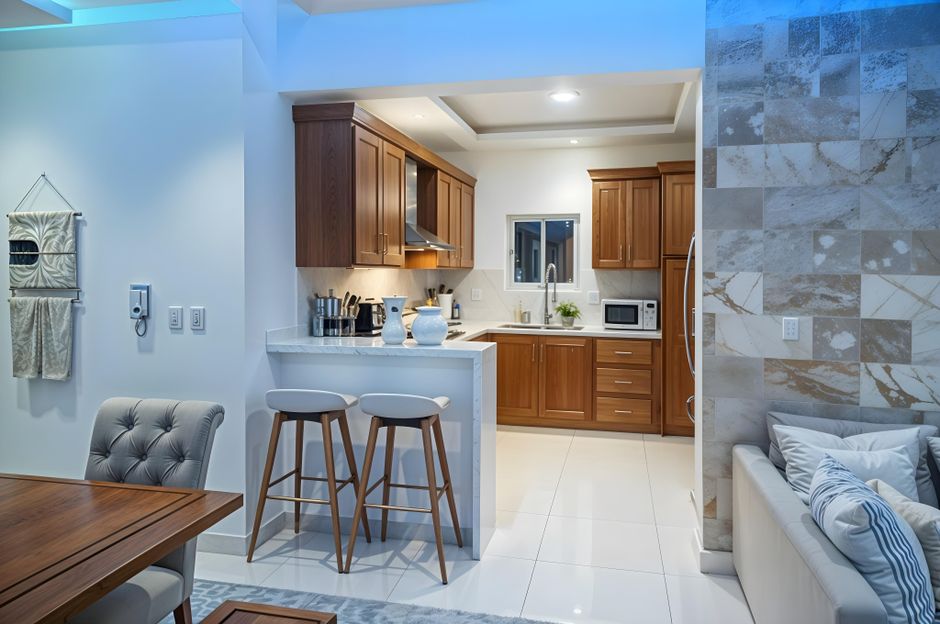
A euro hinge has three screws that move the door in, out and sideways, and the work is to set an even reveal around every door and drawer front. Soft close mechanisms on drawer slides and hinges are checked and tuned so the damper catches the same way on every one. A dovetail drawer with a slide that binds is almost always a box that is out of square by a hair, so the fix is at the cabinet face, not the drawer.
Appliance panels and panel ends
An appliance panel covers the side of a dishwasher or refrigerator and has to align with the adjacent door fronts. A panel end, the finished side that shows at the end of a run, is fitted to the floor and the countertop with a scribe, then fastened from inside the box so no screw shows. Maple and oak panel ends take stain differently than the boxes, so a mismatch is checked in daylight, not under work lights.
Using a hardware template
A hardware template is a metal or plastic jig with slots for a given pull spacing. It is clamped to the door or drawer front and the holes are drilled through it, so every pull on the kitchen sits at the same height and offset. Drilling by eye produces handles that look fine one at a time and wrong across a wall. The template is set against the door edge, never the box.
The final walk-through
The last step is a slow pass along every run in raking light from a window, looking at reveals, panel ends and pull lines. In an Austin kitchen near Zilker Park or along the Colorado River, afternoon light is strong and low, and it shows every misaligned door. A missed one is fixed on the spot, and the install is done when no door needs a second look.