Demolition Before New Cabinets in Hyde Park and Travis Heights Bungalows
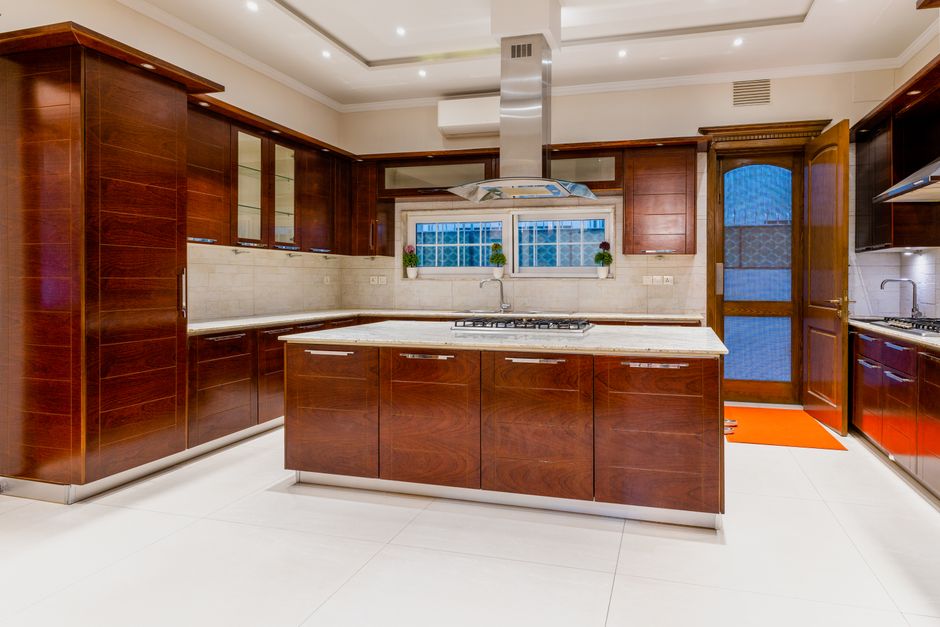
Most people treat demolition as the quick part of a remodel and schedule the new cabinets for the day after, which fails in a Hyde Park bungalow almost every time. The old run hides things, and austin cabinet installation the hughes gallery starts its older-house plans with what sits behind it, because Austin, TX houses from the early and middle twentieth century keep their surprises inside the walls.
Pulling the old run without damaging the wall
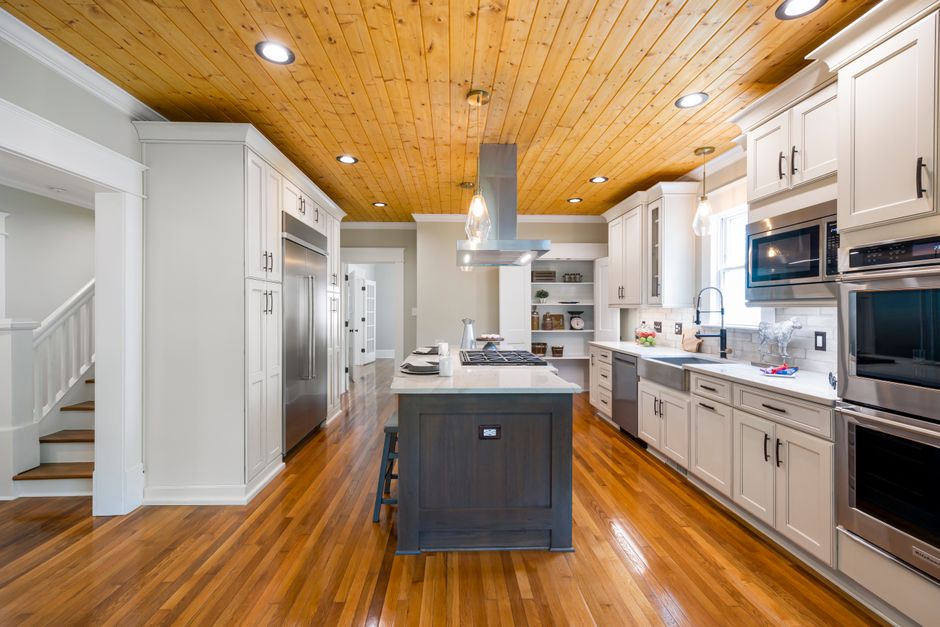
Demolition on a bungalow starts with the countertop and works down: the top comes off, the doors and drawer box come out, then the carcass screws are backed out so the boxes lift free. Prying whole boxes off plaster tears the surface off with them. Old cabinets in Travis Heights and Clarksville were often nailed through the face frame into the studs, and those nails are cut or drawn out one at a time.
What sits behind the cabinets
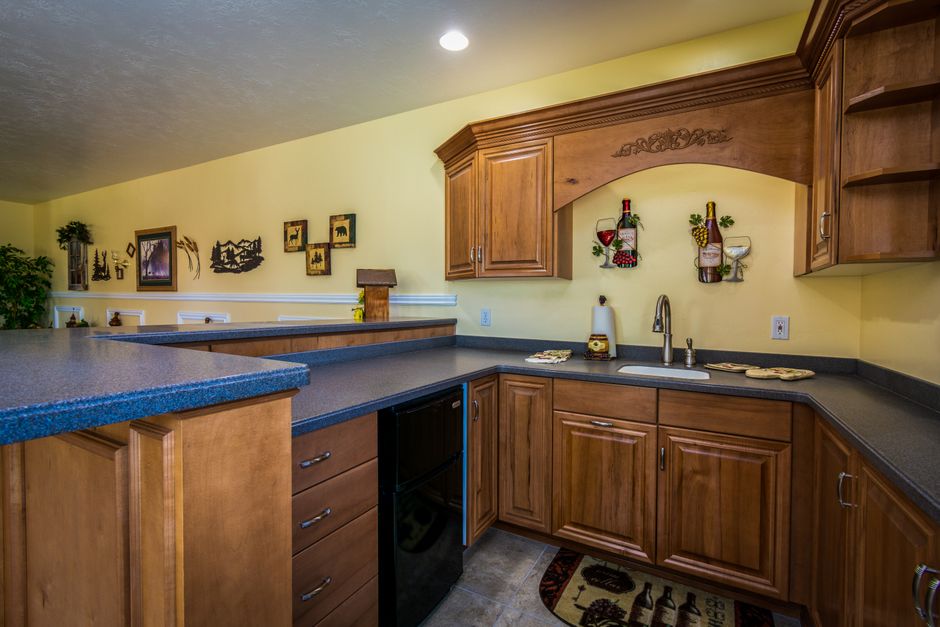
Cabinets in older homes were built to a floor that was never level and a wall that was never flat. Behind them there is often bare lath, a patched hole from a pipe that moved, or a wall that was never painted at all. The wiring can be cloth-jacketed or knob-and-tube in houses that were only partly updated, and that stops the job until an electrician has looked at it.
Plaster, lath and a floor that has moved
Plaster over wood lath holds a screw poorly, so the new run needs to find studs or add blocking. The floor in a house near Lady Bird Lake or Mount Bonnell may have settled a half inch from one end of the kitchen to the other, and a hardwood subfloor sagging at the sink wall will rock a plywood box even when the base looks fine. Measuring the rise across the run before ordering decides how much the toe kick has to give.
Old paint, old tile and what changes the plan
Some floor tile and wall mastic from the 1950s can contain asbestos, and paint from before 1978 can contain lead. A suspect material goes to a lab before anyone sands, scrapes or breaks it, and that test can add days before the new cabinets are even ordered. Ordering is the step to delay, since a cabinet cannot go back once it has been cut for a wall that then changes.
Setting up the new run on a clean wall
Once the wall is open and sound, the plumber and electrician mark rough-in locations, and the cabinet layout is drawn against the real dimensions. Refacing an old run is sometimes the better answer when the boxes are solid and the layout works, but a bungalow with failed plumbing or crooked framing usually calls for a clean tear-out and a fresh start.